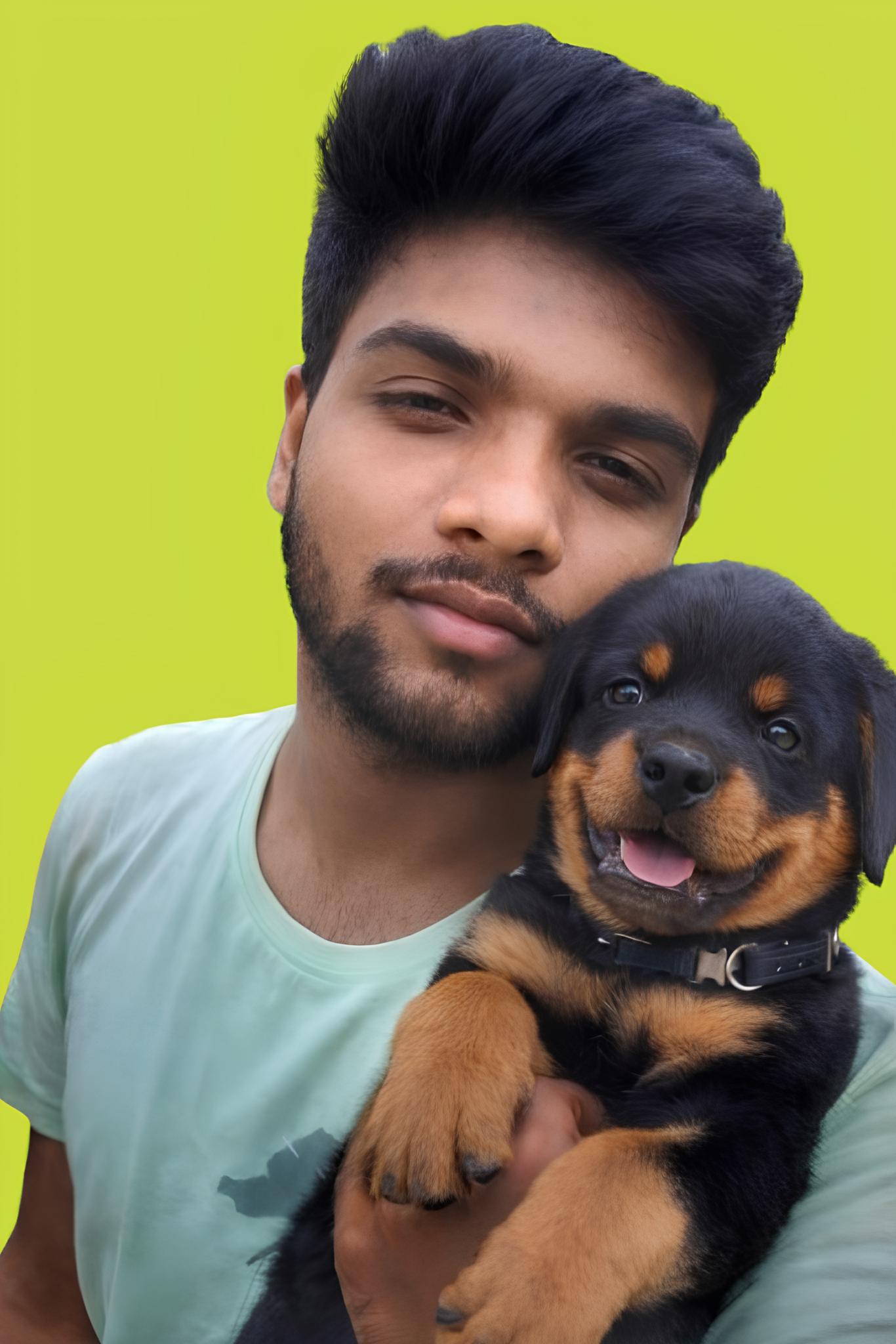
Ever seen a Rottweiler puppy try to bark for the first time? It’s like a squeaky toy pretending to be a lion.
But give that same pup a few months, and suddenly you’ve got a walking tank guarding your couch. Rottie growth isn’t just fast it’s wild.
Let’s break down every stage of their transformation so you know exactly what’s happening under all that fur and attitude.
The Early Days (0–8 Weeks): The Tiny Potato Stage

At this age, Rottweiler puppies barely resemble the powerful dogs they’ll eventually become. They’re round, sleepy, wobbly, and honestly a little clueless about the world around them. Think tiny potatoes with tails.
During these first weeks, puppies rely entirely on their mother for warmth, food, and comfort. Their daily routine is basically sleep, nurse, repeat. It may not look exciting yet, but this stage is incredibly important for healthy development.
What to Expect
- Weight: Around 3–6 lbs for females and 4–8 lbs for males
- Size: Small enough to fit in one hand
- Behavior: Sleeping most of the day and nursing the rest
- Milestones: Eyes and ears begin opening, and they start wobbling around on unsteady legs
One of the funniest things about newborn Rotties is how serious they already try to look. Even before they can properly walk, they somehow manage to have that classic “I’m watching you” expression.
Pro Tip
If you’re getting your puppy from a breeder, avoid bringing them home before 8 weeks old. Those extra weeks with their mother and littermates help them develop social skills, bite control, and stronger immune systems.
2–3 Months: The “Fluffy Terror” Phase

This is where the real personality starts showing up and so does the chaos.
Around two to three months old, your Rottie suddenly discovers three important things:
- They have a voice
- They have teeth
- Everything in your house is apparently chewable
Shoes, chair legs, socks, phone chargers… nothing is safe anymore.
Average Weight
- Males:
- 12–16 lbs at 2 months
- 34–39 lbs at 3 months
- Females:
- 10–14 lbs at 2 months
- 30–35 lbs at 3 months
Height
By the end of month three, most Rottweiler puppies stand around 15–18 inches tall at the shoulder.
What surprises most owners during this phase is how quickly the growth happens. One week they fit comfortably in your lap, and the next they’re launching themselves off furniture like stunt performers.
Real-Life Example
A friend of mine once left her 10-week-old Rottweiler alone for less than 10 minutes. When she came back, the puppy had somehow dragged an entire toilet paper roll through the house as if it were arriving at a celebrity event.
Tiny dogs create tiny messes. Rottweiler puppies create crime scenes.
What Their Personality Is Like
At this age, Rotties are curious, bold, playful, and ridiculously energetic. They’re constantly testing boundaries and trying to figure out what they can get away with.
You’ll probably notice:
- Random zoomies around the house
- Play-biting during excitement
- Barking at absolutely nothing
- Following you everywhere like a furry bodyguard trainee
And despite their tough future reputation, most Rottweiler puppies at this age are complete goofballs.
Training Matters Early
This is the best time to start basic training and socialization. Rottweilers are extremely intelligent, but they also have a stubborn streak. If they learn good habits early, life becomes much easier later on.
Simple commands like:
- Sit
- Stay
- Leave it
- Come
…can make a massive difference as they grow bigger and stronger.
Because, trust me, a badly behaved 15-pound puppy is manageable. A badly behaved 100-pound adult Rottweiler is not.
Rottweiler Dog Breed Information: Facts, Traits, Pictures & More
4–6 Months: The Growth Explosion
Welcome to the awkward teenage phase.
Between four and six months, Rottweilers hit one of their biggest growth spurts. This is usually the stage where owners start saying things like
“Wasn’t he literally smaller yesterday?”
Your puppy suddenly gets taller, heavier, and noticeably stronger in a very short amount of time.
Average Weight
- Males: 44–71 lbs
- Females: 35–64 lbs
Height
Most Rottweilers reach around 20–23 inches tall during this stage.
Even though they’re getting big fast, they still tend to look awkward and lanky. Oversized paws, long legs, clumsy movement it’s like their body grows faster than their coordination can keep up.
Imagine a teenager who grew six inches over summer break and now keeps bumping into doorframes. That’s basically your Rottie right now.
Behaviors You’ll Notice
This phase is full of energy and chaos.
Expect things like:
- Endless zoomies at inconvenient times
- Slipping on smooth floors
- Crashing into furniture
- Sudden bursts of confidence
- Testing boundaries more often
You’ll also start noticing early protective instincts. Some puppies become more alert around strangers or bark more when they hear unfamiliar sounds. That’s normal, but they still need guidance and training to learn appropriate behavior.
Nutrition Becomes Extremely Important
Because Rottweilers are a large breed, proper nutrition during growth matters a lot.
A high-quality large-breed puppy formula helps support:
- Bone development
- Joint health
- Controlled growth
- Muscle development
One mistake many owners make is overfeeding because they want their dog to become “huge.” But extra weight during puppyhood puts unnecessary stress on growing joints and increases the risk of problems like hip dysplasia later in life.
A lean, healthy Rottweiler puppy is much better than an overweight one.
Exercise: Don’t Overdo It
A lot of owners assume more exercise equals healthier growth. Not always.
Your puppy definitely needs daily activity, but too much intense exercise during this stage can stress developing joints. Long-distance running, repetitive jumping, or excessive stair climbing should be limited while they’re still growing.
Short walks, play sessions, and training games are usually the better option.
7–12 Months: The “Mini-Adult” Phase

By this point, your Rottweiler starts looking much more like a real adult dog.
Their chest broadens, their shoulders fill out, and their bark suddenly sounds deep enough to make delivery drivers reconsider their career choices.
From the outside, they look mature.
Mentally? Still very much a puppy.
Average Weight
- Males: 72–125 lbs by one year
- Females: 65–95 lbs by one year
Height
Most Rottweilers stand somewhere between 22–27 inches tall during this stage.
Around one year old, many Rottweilers reach their full height. But height and maturity aren’t the same thing. They’ll continue developing muscle, chest width, and overall bulk for another year or even longer.
One thing that confuses a lot of owners is how uneven their dog’s proportions can look during this phase.
Their body grows rapidly first. Then the head catches up later.
So yes, if your 9-month-old Rottie looks like it borrowed someone else’s head, that’s usually normal.
1–2 Years: The “Final Form” Transformation
This is when your Rottie really starts becoming the dog you imagined from day one.
The muscles fill out. The chest becomes broader. Their stance looks more confident and controlled. Even the way they walk changes less goofy puppy energy, more calm strength.
At this stage, many Rottweilers develop that unmistakable “guardian” presence. They don’t even need to bark to look intimidating.
Average Adult Weight
- Males: 95–135 lbs
- Females: 80–100 lbs
Height
Most adult Rottweilers remain around 22–27 inches tall once fully grown.
Even though they look mature physically, don’t expect them to suddenly act like wise old dogs overnight. Most Rottweilers still have a playful, goofy side well into adulthood.
In fact, many owners notice their dogs don’t fully settle mentally until around age two.
That’s usually when:
- The nonstop chaos slows down
- Chewing becomes less frequent
- Energy levels become more manageable
- They start relaxing more around the house
Of course, every dog is different. Some calm down earlier, while others stay dramatic forever.
Keep Up With Vet Care
Large breeds like Rottweilers are more prone to issues involving:
- Hips
- Elbows
- Joints
- Heart health
Regular vet visits become especially important during this stage because catching problems early can make a huge difference long term.
How to Tell If Your Rottie’s Still Growing
Sometimes it’s hard to tell whether your Rottweiler is finished growing or simply going through another awkward phase.
Here are a few signs that usually help.
1. Look at the Paws
Big oversized paws are often a clue that more growth is coming.
If your dog still looks like it’s wearing clown shoes, chances are the rest of the body hasn’t caught up yet.
2. Check the Chest and Shoulders
Fully mature Rottweilers usually have broad chests and thick shoulders.
If your dog still looks narrow, skinny, or boxy through the body, they’re probably still filling out.
3. Watch How They Move
Puppies tend to move awkwardly and clumsily. Adult Rottweilers move with much more confidence and control.
If your dog still trips over its own feet occasionally, maturity may still be a work in progress.
4. Ask Your Vet or Breeder
Genetics play a huge role in size and development. Your vet or breeder can usually give you a decent estimate based on:
- Parent size
- Gender
- Growth rate
- Overall health
Male vs. Female Growth: What’s the Difference?
Generally speaking, male Rottweilers are larger, bulkier, and more physically imposing.
Females are usually a bit leaner and more agile, though they’re still incredibly strong dogs.
Quick Comparison
| Trait | Male Rottweiler | Female Rottweiler |
|---|---|---|
| Height | 24–27 inches | 22–25 inches |
| Weight | 95–135 lbs | 80–100 lbs |
| Personality | Confident, territorial | Steady, affectionate, alert |
| Growth Completion | Around 2–3 years | Around 2 years |
That said, personality varies way more by individual dog than gender alone.
Some male Rottweilers are giant cuddle bugs. Some females run the entire household like tiny CEOs.
Which Is Better?
Honestly, neither is objectively better.
If you like the massive “gentle giant” look, males usually fit that image more. If you prefer a slightly smaller dog that may mature a bit faster, females are often a great choice.
Both can be equally loyal, protective, affectionate, and stubborn.
Common Growth Mistakes Owners Make
Even experienced dog owners mess things up sometimes. Rottweilers grow quickly, and small mistakes during puppyhood can create bigger issues later.
Here are some of the most common ones.
1. Overfeeding
A lot of people think a heavier puppy equals a healthier puppy.
Not true.
Extra weight puts serious stress on developing joints and increases the risk of orthopedic problems later in life.
A lean, athletic Rottweiler is healthier than an oversized one.
2. Not Enough Exercise
Rottweilers need consistent physical and mental activity.
Skipping walks regularly or keeping them bored all day often leads to:
- Destructive behavior
- Excessive barking
- Anxiety
- Hyperactivity
Even adult Rottweilers still need daily exercise to stay balanced.
3. Poor Training and Socialization
An untrained small dog can be annoying.
An untrained Rottweiler can become difficult to manage very quickly because of their size and strength.
Early socialization helps them grow into calm, confident adults instead of nervous or overly reactive dogs.
4. Ignoring Vet Visits
Routine checkups matter more than many owners realize.
Things like hip issues, elbow problems, or growth abnormalities are much easier to manage when caught early.
Prevention is always easier than treatment.
How Long Do Rottweilers Live? (Plus 7 Ways to Help Yours Live Longer)
Photos or Real Examples to Visualize Growth
8 Weeks
Tiny puppy with floppy ears, a round belly, and oversized paws.
3 Months
Fluffier coat, sharper facial features, and a much more curious expression.
6 Months
Tall, lanky, and awkward-looking with long legs and giant feet.
1 Year
Noticeably muscular with a broader chest and more defined adult features.
2 Years
Fully mature with a thick neck, strong body, and that confident “Rottweiler royalty” look.
Honestly, if you compare monthly photos side by side, the change feels unreal. Most owners can barely believe it’s the same dog after a year.
How to Support Healthy Growth
Helping your Rottweiler grow properly isn’t complicated, but consistency matters.
1. Feed the Right Food
Choose a high-quality large-breed puppy food with balanced calcium and phosphorus levels.
Avoid overfeeding, even if your puppy acts hungry 24/7. Most Rottweilers would happily eat like professional athletes if you let them.
2. Keep Exercise Balanced
Daily walks, playtime, and mental stimulation are great.
But during major growth stages, avoid excessive jumping or intense running on hard surfaces to protect developing joints.
3. Prioritize Training and Socialization
Expose your puppy to:
- New people
- Other dogs
- Different environments
- Sounds and experiences
A properly socialized Rottweiler is usually calm, confident, and much easier to handle.
4. Stay Consistent With Vet Care
If your vet recommends joint screenings or x-rays, don’t ignore them.
Large-breed health problems can become expensive and painful if left untreated.
5. Give Them Attention and Patience
Yes, it sounds cheesy, but Rottweilers genuinely bond deeply with their families.
They thrive on routine, trust, and connection. When raised with patience and consistency, they become incredibly loyal companions.
FAQs About Rottweiler Growth
Q: When do Rottweilers stop growing?
Most Rottweilers reach full physical maturity around two years old, though some males continue filling out until closer to age three.
Q: My Rottie looks skinny. Should I worry?
Not necessarily.
Many puppies go through awkward, lanky stages during rapid growth periods. Before increasing food portions, check with your vet first.
Q: Are bigger Rottweilers healthier?
No. Bigger doesn’t automatically mean better.
Overly heavy Rottweilers are actually more likely to develop joint and mobility problems.
Q: Can I estimate adult size from the parents?
Usually, yes.
Most puppies grow into a size range similar to their parents, so breeder information can give you a pretty solid estimate.
Final Thoughts
Watching a Rottweiler grow up is honestly one of the coolest parts of owning the breed.
One minute they’re tiny sleepy puppies stumbling across the floor. The next, they’re massive dogs standing beside you like full-time bodyguards.
Every stage has its own challenges, funny moments, and chaotic surprises. Some days you’ll laugh. Some days you’ll wonder why your shoes suddenly have teeth marks. That’s part of the experience.
The biggest thing to remember is this: Rottweilers mature slowly.
Don’t rush the process. Give them proper nutrition, consistent training, regular exercise, and a stable environment. Over time, that goofy puppy grows into an incredibly loyal and confident companion.
And honestly, one day you’ll look at your fully grown Rottie stretched across the couch and suddenly remember when they used to fit in your arms.
That feeling never really gets old.