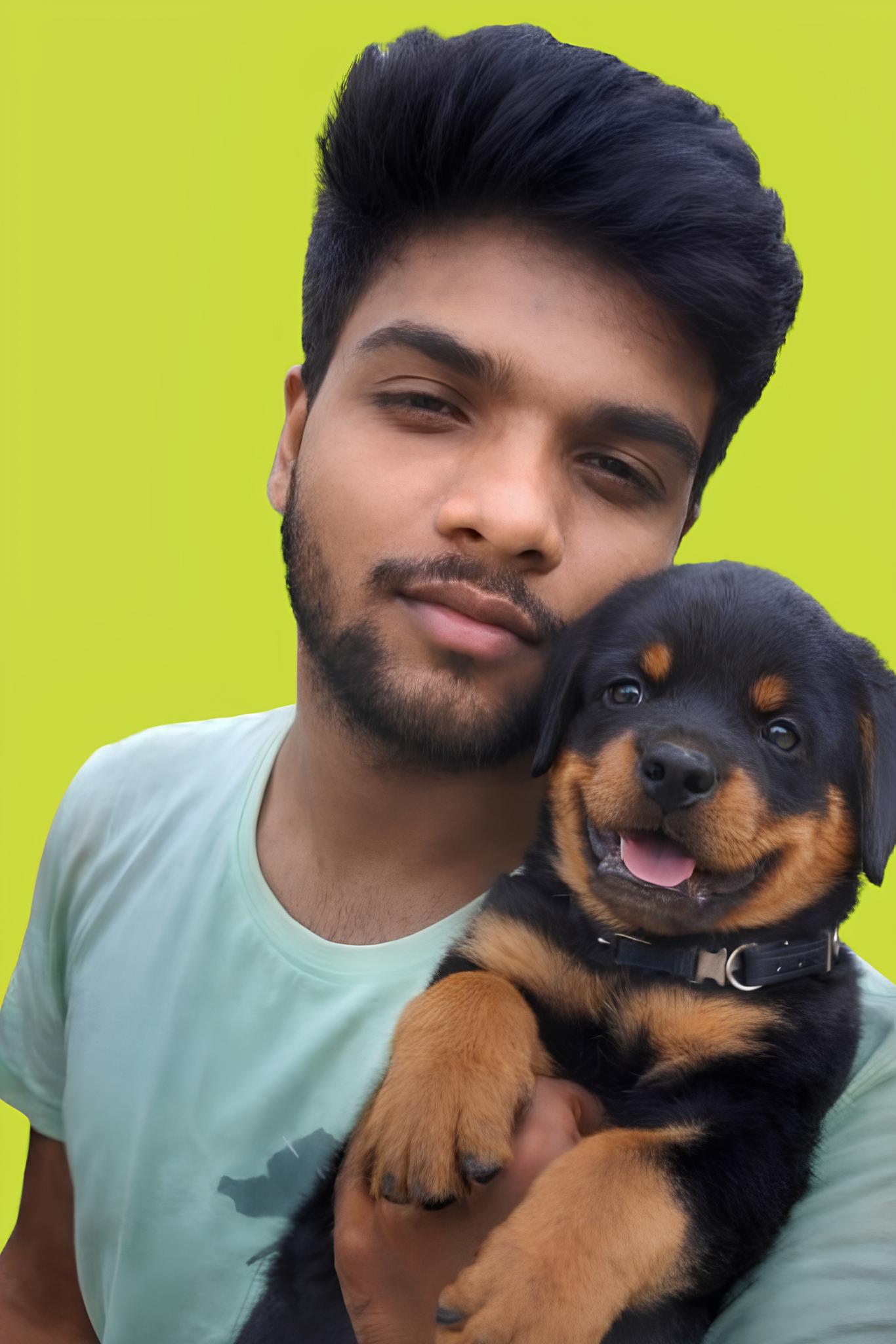
Your dog follows you from room to room, settles beside you while you’re working, or comes looking for you when something scares them. These little moments might seem ordinary, but they can tell you something important about the relationship you share with your dog.
Dogs don’t express trust in exactly the same way people do. Some want to be touching you whenever possible, while others are perfectly happy resting across the room as long as you’re nearby. The important thing is learning to recognize when your dog feels comfortable, secure, and confident around you.
So, how can you tell if your dog truly trusts you? From the way they relax around you to how they react when they feel uncertain, here are seven everyday signs that can help you understand the bond you share.
7 Signs Your Dog Trusts You
1. They Choose to Stay Near You, Even When They Don’t Need Anything

One of the simplest signs your dog trusts you is that they enjoy being around you, even when there’s no food, toy, or walk involved.
You might notice your dog settling beside your chair while you work, lying near your feet while you watch television, or following you into another room just to find a comfortable place to rest. Sometimes, they might even squeeze themselves into a space that seems far too small for a dog their size. Apparently, personal space becomes optional when you’re their favorite person.
This behavior can reflect a strong bond because dogs often seek out people who make them feel safe and comfortable. Your presence may simply be part of what makes their environment feel familiar.
Relaxed vs. Uncomfortable Signals

Relaxed Signs
- Loose muscles & natural posture
- Soft, calm eyes
- Rests easily in area
- Approaches freely

Discomfort Signs
- Stiff or tense body
- Frequent lip licking / yawning
- Turns away or avoids contact
- Freezing or hiding
Look at context: A single sign like a yawn doesn’t automatically mean fear. Evaluate overall body language together.
Respect boundaries: If your dog moves away or stiffens, give them space.
Sudden changes: If posture or mood changes unexpectedly, consult a vet to rule out pain or illness.
Why some dogs follow you everywhere
If your dog follows you from room to room, it doesn’t automatically mean they’re overly attached. They might enjoy your company, expect something interesting to happen, or have learned that following you often leads to attention.
Pay attention to what happens when you stop moving. Does your dog settle down nearby, stretch out comfortably, or quietly continue doing their own thing? If so, they may simply enjoy sharing space with you.
Of course, not every trusting dog wants constant company. Some dogs prefer sleeping in another room or finding a sunny spot away from everyone. A dog doesn’t have to follow you everywhere to trust you. Choosing to spend relaxed, voluntary time near you is more meaningful than constantly being under your feet.
2. They Relax Around You and Let Their Guard Down
Dogs pay attention to their surroundings, especially when they’re somewhere unfamiliar or around people they don’t know well. When they feel safe, however, their behavior often becomes more relaxed.
You might notice your dog stretching out on their side, resting their head on the floor, settling into a comfortable sleeping position, or quietly dozing while you move around the house. They may even fall asleep near you without reacting to every little sound.
These everyday moments can be meaningful because feeling safe enough to rest is an important part of a dog’s comfort with their surroundings. If your dog regularly settles down around you, it suggests that your presence isn’t making them feel the need to remain constantly alert.
What relaxed body language looks like
A comfortable dog often has loose muscles, a relaxed facial expression, and a natural resting posture. Their ears and tail will usually sit in a position that’s normal for them rather than being held rigidly with tension.
Compare that with a dog who remains stiff, repeatedly scans the room, keeps trying to move away, or struggles to settle. Those behaviors may suggest discomfort or uncertainty, although the surrounding situation matters.
It’s also worth remembering that sleeping near you isn’t an automatic guarantee of trust. Dogs need rest, and your bed or sofa might simply be the most comfortable spot in the house. What matters is the overall pattern: does your dog consistently appear comfortable and relaxed when you’re around?
If they do, that’s a reassuring sign that they’ve learned they can settle down in your company.
3. They Come to You When Something Makes Them Nervous
Thunderstorms, fireworks, unfamiliar visitors, and sudden loud noises can make some dogs uneasy. When something frightens your dog, you might notice them approaching you, standing close to your legs, leaning against you, or looking toward you before deciding what to do next.
This can be an important sign of trust. Your dog may have learned that you’re a source of comfort and that staying near you helps them handle an uncertain situation.
Think about what happens when a loud noise surprises your dog during a walk. They might pause, look toward you, and wait a moment before continuing. Or perhaps they move closer to you when an unfamiliar person approaches. These reactions can suggest that your dog uses your presence as a source of reassurance.
When Your Dog Looks for Comfort
How to respond when your dog seeks comfort
The best response depends on what your dog is experiencing. If they’re frightened, stay calm, give them room to move, and allow them to choose whether they want physical contact. If they seek gentle petting and appear to relax, offering it is perfectly reasonable.
You don’t need to ignore a scared dog out of concern that comforting them will reinforce their fear. Fear is an emotional response, not a bad habit that you create simply by being kind.
However, don’t assume every dog wants a hug when they’re upset. Some feel safer sitting beside you, while others need more distance or an opportunity to retreat somewhere quiet.
A trusting relationship gives your dog the confidence to seek help without being forced into an interaction. If your dog suddenly becomes fearful, shows intense distress, or struggles with everyday situations, consult your veterinarian to determine whether pain, illness, or anxiety could be contributing.
4. They Seek Your Attention and Come Back for More
Does your dog nudge your hand when you stop petting them? Maybe they rest their chin on your knee while you’re sitting on the sofa, bring their head closer when you scratch behind their ears, or return a few minutes later to ask for attention again.
These small behaviors can be signs that your dog enjoys interacting with you and feels comfortable initiating contact.
Dogs have different ways of asking for affection. One might gently paw at your arm, another might lean against your leg, and another might simply sit beside you and wait. Some dogs are enthusiastic attention-seekers, while others prefer a quick greeting before returning to their own activities.
The important detail is whether your dog appears to choose the interaction rather than merely tolerate it.
Does your dog have to enjoy cuddling?
Not at all. Some dogs love being scratched and cuddled, while others prefer being near their owners without much touching. A dog that walks away when you’ve finished petting them isn’t necessarily rejecting you. They may simply have had enough.
Watch how your dog responds when you pause during petting. If they move closer, nudge your hand, or reposition themselves to invite more contact, they may be asking you to continue. If they turn away, stiffen, repeatedly lick their lips, or move away, give them space.
Respecting those signals helps your dog learn that you listen to them. Over time, that kind of predictable, gentle interaction can help strengthen the trust between you.
And if your dog isn’t particularly affectionate, don’t worry. Trust doesn’t have to look like a dog climbing into your lap every time you sit down. Sometimes, choosing to rest quietly beside you is their preferred way of enjoying your company.
5. They Look to You for Guidance in Unfamiliar Situations
Have you ever taken your dog somewhere new and noticed them glancing back at you before exploring? Maybe they pause when they hear an unfamiliar noise, look in your direction, and then continue walking once they seem comfortable.
This behavior can be a sign that your dog trusts you. Dogs can use information from familiar people to help them respond to uncertain situations. Your reactions, body language, and behavior may help them decide whether something deserves their attention.
For example, your dog might hesitate when approaching an unfamiliar object during a walk. If you remain calm and give them time to investigate, they may gradually become more comfortable. They might sniff the object, take a few steps closer, or move away and return when they’re ready.
Why your dog’s reaction matters
A confident dog doesn’t necessarily rush toward everything they encounter. Some dogs are naturally cautious, while others approach new things without much hesitation. What matters is whether your dog can explore at their own pace and recover after a moment of uncertainty.
You might also notice your dog checking in with you during walks. They may briefly look at you, return to your side, or wait for your direction before continuing. These behaviors can reflect familiarity and a willingness to engage with you.
However, a dog that constantly looks at you isn’t automatically more trusting than one that explores independently. Breed tendencies, training, previous experiences, and individual temperament can all influence how dogs behave in unfamiliar places.
Rather than expecting your dog to follow your lead in every situation, give them opportunities to investigate safely. Let them sniff, observe, and take breaks when needed. Trust grows when your dog learns that you provide guidance without forcing them into situations that frighten them.
6. They Invite You to Play and Share Their Favorite Activities
When your dog brings you a toy, drops a ball at your feet, or performs a playful bow with their front legs stretched forward, they may be inviting you to join in the fun.
Play is more than a way for dogs to burn off energy. It provides opportunities for social interaction, communication, and positive experiences with people they enjoy being around.
Some dogs make their intentions obvious. They might drop a tennis ball in your lap, run a few steps away, and look back as if to say, “Well, are you coming or not?” Others prefer a gentle game of tug or simply enjoy following you around the garden.
These moments can be meaningful because your dog is choosing to involve you in an activity they find enjoyable.
What if your dog doesn’t like playing fetch?
Not every dog is interested in chasing balls or playing energetic games. Some prefer sniffing games, exploring new places, learning simple tricks, or searching for treats hidden around the house.
Older dogs may also prefer shorter, gentler activities, particularly if joint discomfort or other health issues make vigorous play difficult.
Instead of judging your bond by how enthusiastically your dog plays, pay attention to the activities they genuinely enjoy. Do they approach you when you bring out their favorite toy? Do they seem eager to participate when you start a familiar game? Do they return for another round after taking a break?
Those choices can tell you more than whether your dog can chase a ball for an hour.
It’s also important to respect your dog’s limits. If they walk away, become overly excited, or show signs of discomfort, let the activity end or give them a break.
When your dog willingly shares enjoyable activities with you, it can be another sign that they feel comfortable in your company. The best games are the ones both of you enjoy, even if your dog’s idea of entertainment involves making you throw the same slobbery toy for the twentieth time.
7. They Can Be Independent Without Losing Their Connection to You
This sign is easy to overlook because many people assume that a dog who truly loves them should always want to be close.
But a healthy bond doesn’t require constant attention. Sometimes, one of the clearest signs that your dog feels secure is that they can enjoy themselves without needing to remain beside you every minute.
For example, your dog might relax on their bed while you work in another room, explore the garden while you sit nearby, or spend time chewing a favorite toy without repeatedly asking for attention. They may check where you are occasionally before returning to what they were doing.
This kind of independence can suggest that your dog feels comfortable in their surroundings and doesn’t need constant reassurance while you’re nearby.
Does independence mean your dog is less attached?
Not necessarily. Dogs have different social needs, and some are naturally more independent than others. A dog that prefers a little personal space can still have a strong, trusting relationship with its owner.
In fact, there’s an important difference between a dog that enjoys your company and a dog that becomes distressed whenever you leave.
A dog with separation-related distress may bark persistently, pace, drool excessively, scratch at doors, or struggle to settle when left alone. These behaviors aren’t simply proof of how much the dog loves you. They can indicate anxiety that deserves attention and, in some cases, professional help.
On the other hand, a dog that rests comfortably when you’re home but chooses to nap elsewhere may simply be enjoying a peaceful afternoon.
If your dog struggles when you leave, avoid assuming they will eventually get used to it without support. Speak with your veterinarian, who can help determine whether separation-related distress or another problem is involved.
The goal isn’t to make your dog less attached to you. It’s to help them feel safe both with you and when they have to spend time apart from you.
How Can You Tell If Your Dog Truly Trusts You?

No single behavior can prove exactly how a dog feels. Following you around, seeking affection, or looking at you during a walk can have several explanations depending on the situation.
Instead, look at the bigger picture. A dog who regularly relaxes around you, chooses to interact with you, seeks comfort when frightened, and feels comfortable exploring their surroundings may be showing several signs of a trusting relationship.
Remember that personality matters, too. One dog might express trust through constant companionship, while another shows it by quietly sleeping nearby. Neither relationship is automatically stronger than the other.
The most useful thing you can do is keep your interactions predictable, respect your dog’s boundaries, and provide opportunities for positive experiences together. Give them time to approach you, reward calm behavior, and avoid forcing contact when they need space.
Final Thoughts
Your dog doesn’t need to follow you everywhere, cover you in kisses, or demand attention all day to show that they trust you. Sometimes, the signs are much quieter: a relaxed nap beside your chair, a glance in your direction when something feels unfamiliar, or a decision to bring you their favorite toy.
Pay attention to these everyday moments, but remember to consider your dog’s personality and the situation before deciding what a behavior means.
Trust isn’t about how constantly your dog stays by your side. It’s about whether they feel safe enough to relax, communicate their needs, and choose to share their world with you.
And if your dog happens to follow you into the bathroom, too, well, that’s one way to make sure you never get a moment of privacy again.